Feedback
AI Ad Video Example
Loading...
Migos AI Video Generator
Turn two cleared photos into a 9:16 rap duo clip — the Migos AI Video Generator drops both performers into a burnt-orange booth with a single hanging mic.
All Tools
Discover our comprehensive AI-powered animation toolkit
MiniMax H3
MiniMax H3 AI Video Generator
Seedance 2.5
The Future of AI Video Is Here.
Seedance 2.0
The Future of AI Video Is Here.
FLUX 3 Video Generator
Kling 3.0
Next-Gen AI Video Generator
Grok Video Generator
Create Videos from Text or Images with AI
MiniMax H3 video generator
MiniMax H3 AI Video Generator
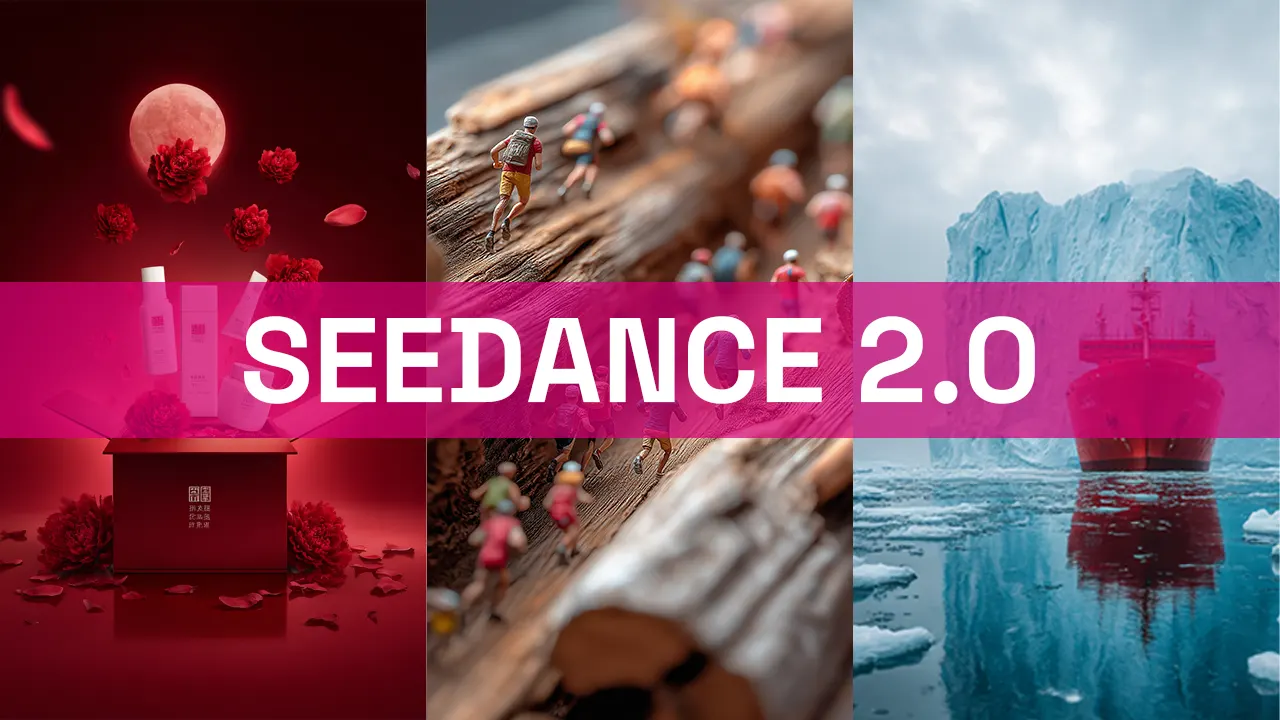
Seedance 2.0
The Future of AI Video Is Here.
What Makes This Two-Person Duo Workflow Stand Out
A focused video-tools entry from the Migos AI Video Generator: load two authorized portraits and the model stages an original two-person booth performance, so you can follow the trend with a cast of your own rather than someone else's footage.
- A Booth Framed for Exactly Two PeopleTurn two separate cleared photos into a 9:16 clip: the first subject stands full-body on the left, the second mirrors on the right, both framed against a seamless burnt-orange wall with one black microphone suspended at the center.
- Keeping Two Identities Apart as the Lead SwitchesEach face has to stay recognizable and locked to its own half of the frame. Let one performer open the verse with easy gestures while the partner nods along, then hand the lead across at the midpoint.
- Cast and Audio You Have Every Right to UseTreat the trend as inspiration, not permission. Build your lineup from fictional adults, consenting friends, or pets, and pair them with audio you recorded or licensed — leave celebrity likenesses and copyrighted tracks out of it.
Three Steps to a Finished Duo Performance
From a pair of reference portraits to a complete two-person clip set in a terracotta booth, the Migos AI Video Generator walks you through it in three moves.
Built-In Controls That Keep a Duet Believable
Fine-grained direction over identity, timing, staging, and rights is what makes a two-person orange-booth clip read as real from the opening frame to the close.
Distinct Identities, Side by Side
Label each subject LEFT or RIGHT, leave breathing room around the microphone so hands and torsos never merge, and reduce motion before layering on style if the two faces begin to bleed together.
Turn-Taking That Reads Naturally
Describe the exchange in your prompt: one voice drives the verse while the other listens and answers, then the lead flips at the midpoint without either subject changing sides — short nods and small hand beats beat constant movement.
A Locked, Seamless Studio Frame
Hold the shot to a matte-orange wall and floor with no visible seams, soft frontal light, one black microphone dead center, a wide locked angle, and both performers' feet inside the frame.
Casting That Keeps You in the Clear
Assemble your lineup from fictional adults, willing friends, pets, or another original pairing, give them audio you recorded or licensed, and never present generated celebrity footage as the real thing.
Direct the Duet Line by Line
You decide who starts, how the partner answers, and whether the energy stays relaxed or builds — enough control to bend the format toward your own friendship, pet, comedy, or creator concept.
Fix One Flaw at a Time
Rewrite only the sentence that governs the problem — merged faces, colliding hands, a drifting camera — so each pass is easy to judge instead of starting the whole prompt over.
Two-Person Booth Video: Questions Answered
Answers to the questions people ask most about the two-person orange-studio format, reference photos, rights, and the model powering it.
What exactly defines the orange-booth duo look?
Three signals give it away: a burnt-orange studio backdrop, one microphone suspended between the two performers, and a back-and-forth where each takes a turn. The staging traces back to Quavo and Takeoff's “Hotel Lobby” set on A COLORS SHOW.
Is one reference photo ever enough?
Two is strongly recommended. The effect relies on telling two people apart and pinning each one to their own side, so choose authorized shots with similar lighting and faces that are clearly visible.
May I use celebrity photos or the original track?
Only work with material you are permitted to use — likenesses, images, clips, tracks, and vocals included — and never let a generated celebrity clip pass as genuine. Casting your own subjects with audio you wrote or licensed keeps you on safe ground.
Why do the two faces keep merging?
It usually traces back to input quality and placement: dim, cluttered, or unassigned references leave the model nothing to anchor to. Use one subject per image, spell out LEFT and RIGHT in the prompt, and trim overlapping gestures.
Which model should I pick for this?
Seedance 2.5 is the default here because it handles multiple reference images and long, detailed direction. Which models you can access and how many credits they cost depends on your account and region.
How do I prevent side swaps or mirrored motion?
Keep each performer tied to their own side from first frame to last, spell out the turn-taking order step by step, and let each reaction stay small and personal instead of copying the other.
Make Your Own Two-Person Booth Clip
Choose two subjects you are cleared to feature, describe how each one stands and reacts, and let the Migos AI Video Generator render the finished duet with Seedance 2.5.